
The NBA is making a significant organizational shift.
According to Tom Friend, the league has eliminated dozens of positions within its league office as part of a broader effort to redirect resources toward strategic growth initiatives. Rather than simply reducing costs, the move appears designed to position the NBA for its next phase of expansion.
The league is reportedly increasing its investment in four primary areas: NBA Europe, local media, technology, and the WNBA.
The restructuring comes at a time when the NBA is aggressively pursuing new revenue opportunities beyond its traditional business model. Commissioner Adam Silver has repeatedly discussed the league’s ambitions to establish a permanent presence in Europe, a market viewed as one of basketball’s largest untapped opportunities. A future NBA-backed European league could reshape the global basketball landscape and create new commercial partnerships, media rights opportunities, and player development pipelines.
At the same time, the league continues to adapt to a rapidly changing media environment. As regional sports networks decline and fans increasingly consume games through streaming platforms, investing in local media infrastructure has become a critical priority. Technology initiatives—including artificial intelligence, digital fan engagement, and advanced analytics—also remain central to the NBA’s long-term business strategy.
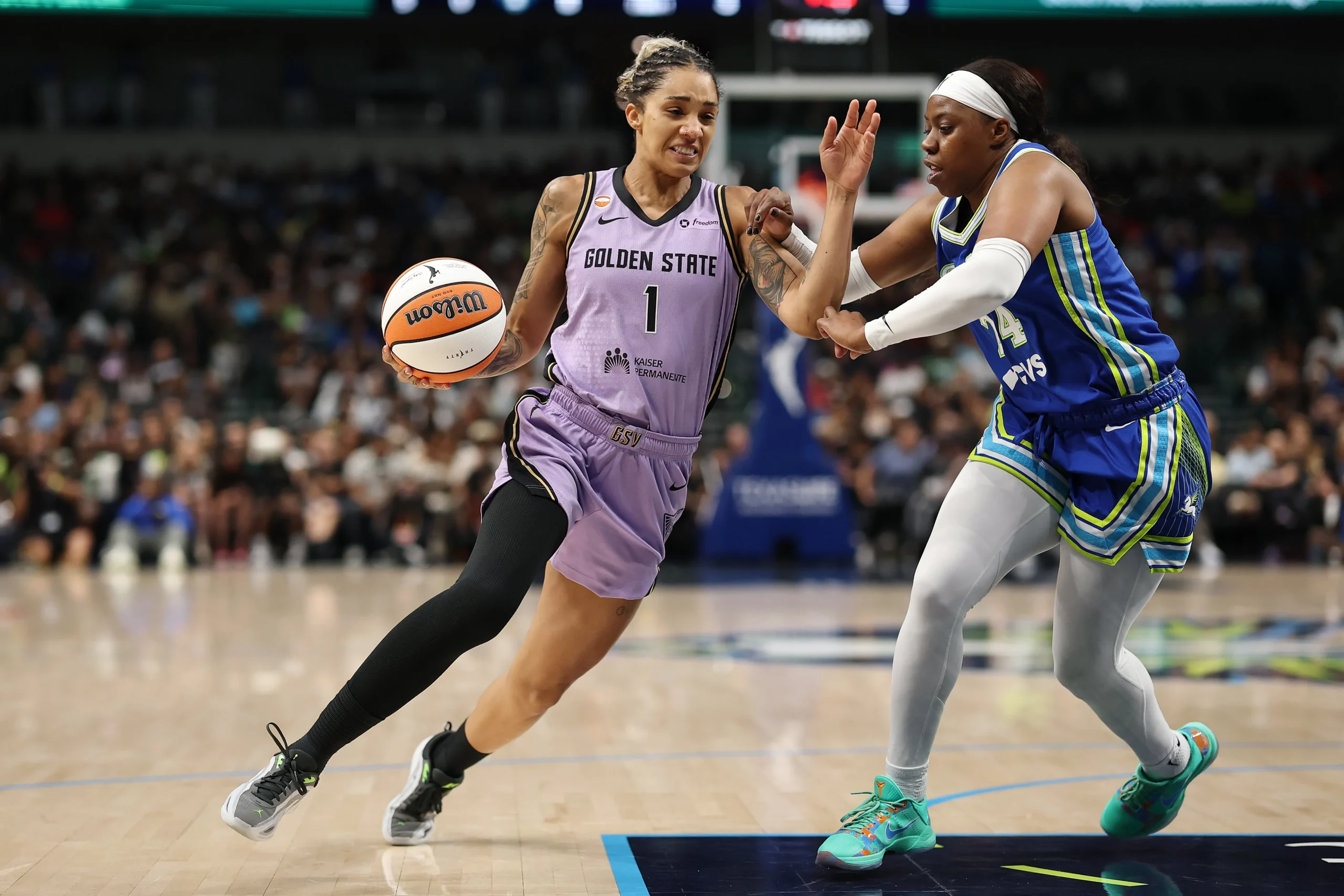
The WNBA is another major beneficiary of the league’s investment strategy. After years of steady growth, the women’s league has experienced unprecedented momentum through increased television ratings, record attendance, corporate sponsorships, franchise valuations, and global visibility. Continued investment reflects the NBA’s belief that the WNBA represents one of professional sports’ strongest growth opportunities.
Although workforce reductions are never easy, this restructuring appears less about financial distress and more about reallocating resources toward areas the league believes will drive its future. The decision illustrates a broader trend across professional sports, where organizations are streamlining traditional operations while investing more heavily in international expansion, digital innovation, and emerging business opportunities.
The NBA has not publicly detailed every department affected by the layoffs, and additional information is expected to emerge in the coming days. However, the message is clear: the league is positioning itself for where it believes the game—and the business of basketball—is headed next.